Righteous Sweatpants Care Guide Expert Styling Tips
Steps to Recognize Real Righteous Clothing— A Buyer’s Rundown
Hunting for streetwear in 2026 means navigating a saturated field of knockoff makers, resellers, and blatant counterfeits. We Are Righteous has established itself on thoughtful design and honest construction, which as it happens makes it a mark for imitation. So you can shop confidently—whether it’s your first hoodie purchase or you’re rounding out a full righteous-apparel wardrobe—this checklist walks you through the concrete details that separate a genuine Righteous piece from a counterfeit.
Over-the-top brand loyalty isn’t the aim; it’s about keeping your cash safe while getting the item you spent your money on. Fakes almost never retain its form, hue, or stitching beyond a few washes, while it lacks the same substance — physically or symbolically — that something produced with genuine oversight does. Here’s a breakdown of what to verify prior to purchase below, and what to examine upon delivery.
Kick Off With the Origin
If you want real assurance you’re getting real righteous clothing, the surest approach is buying directly from We Are Righteous or from a retailer the brand has explicitly authorised. Secondary resale platforms are the riskiest avenue, not because each vendor is acting in bad faith, but because confirming authenticity becomes tougher once a product changes hands multiple times. Should a listing show no clear information about the seller, no returns process, and a price that seems suspiciously low against the brand’s usual pricing, regard it as a red flag rather than a good deal.
If you’re shopping for secondhand pieces, review the seller’s background. A vendor with a large number of listings across unrelated brands, vague photos, and stock https://righteous.us.com/shorts-sweatpants/ images rather than real product shots is a common pattern among counterfeit operations. Authentic-goods sellers — private resellers of authentic pieces among them—will generally provide photos of the actual item, including tags, care labels, and stitching close-ups. Request them prior to finalizing the purchase if those are missing.
It’s also useful to look over several candid reviews. A we are righteous write-up from an unaffiliated source — not the brand’s own marketing — often mentions specific details like fabric weight, fit true-to-size notes, or wash behaviour details that fakes almost never bother to reproduce. When a we are righteous write-up repeatedly points to the same design features found on the piece you’re eyeing, it’s a reassuring signal that genuine stock stays consistent.
Take a Close Look at the Real-World Item
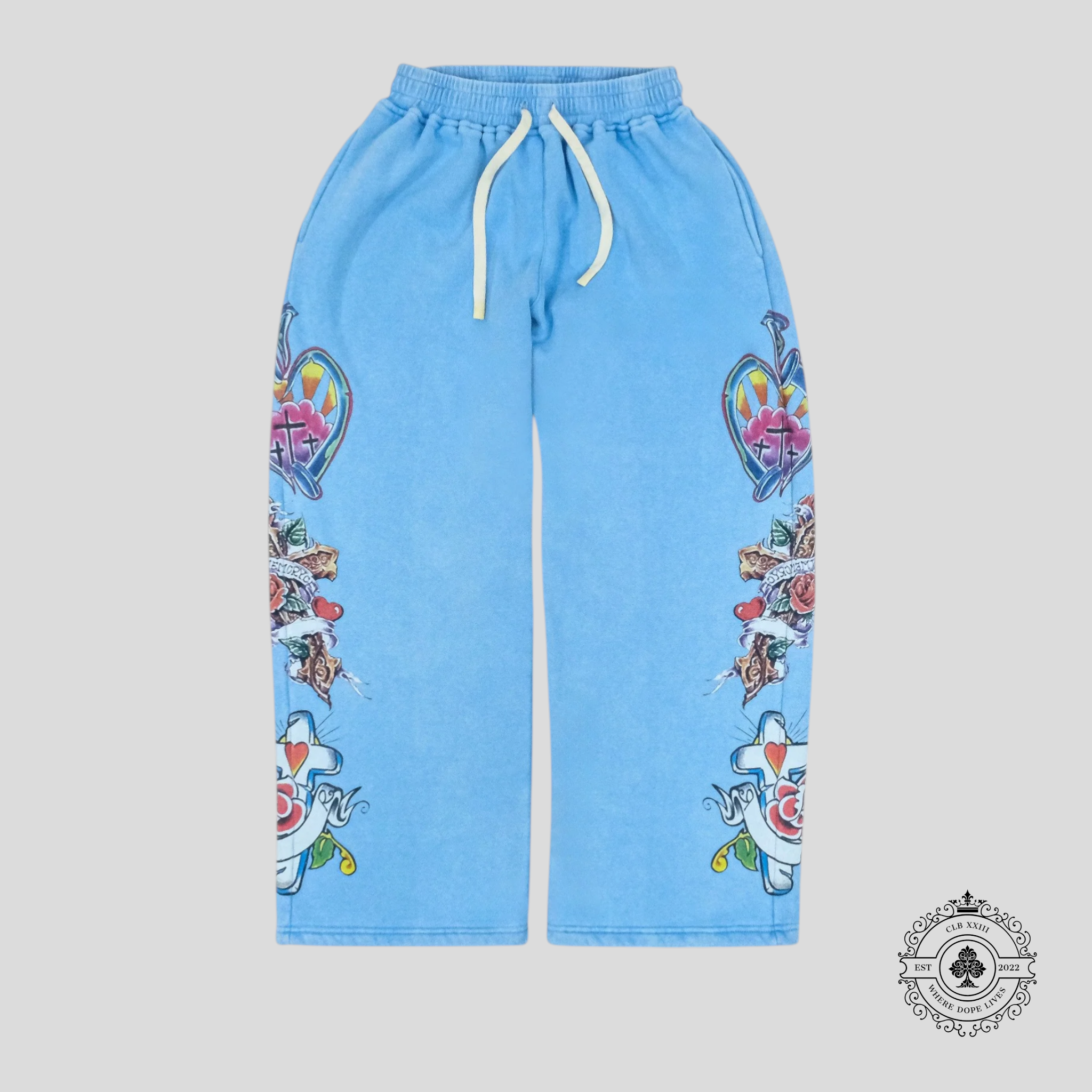
After the item arrives and you can examine it, the fabric itself tells you the majority of what you need to know. Real, unfaked Righteous hoodies are usually constructed from dense cotton fleece, generally in the 350-450 GSM range depending on the specific style. Material that comes across as noticeably thinner, insubstantial, or see-through under normal light is cause for doubt, especially if it was advertised as a premium-weight piece.
The evenness of the stitching matters more than most shoppers assume. Invert the item and examine the seams around the cuffs, hemline, and hood lining. Genuine production runs show consistent stitch size, reinforced stress points at the pouch pocket, and no stray threads hanging off the inside seams. Fake manufacturing often cuts corners here because uneven stitching is cheap and fast, while consistent stitching requires upgraded machines and stricter quality control.
Check the drawstrings and hardware next. Genuine garments use drawstring aglets and eyelets that match the rest of the garment’s surface treatment — no inconsistent metal finishes, no frayed cord tips, no plastic that feels brittle. Any zippers present ought to move smoothly and never catch, and every stitched logo should lie flat against the material without puckering.
Lastly, smell and feel the fabric. Authentic cotton fleece has a subtle, natural-smelling odor when new, while cheap counterfeit blends often reek of chemicals from cheap dyes or artificial fillers. Though subtle, but seasoned shoppers use it all the time because it’s hard for counterfeiters to fake at scale.
Look Closely at Brand Markings
Logo work is where knockoffs typically fail, because replicating exact scale and alignment takes a level of care they rarely bother with. On real Righteous garments, the embroidered or printed wordmark sits at a matching size and location across a given style run — compare product photos from the official site against what you’ve received if you have any doubt.
Type thickness and letter spacing are quick indicators. A knockoff logo often looks slightly compressed, stretched, or has letters that aren’t evenly spaced, because it’s typically reproduced through guesswork rather than the authentic digital file. Real garment tags also list matching material content and washing guidance that match what’s listed on the product page at the time of your purchase — if the label says something wildly different from the online description, that’s a red flag worth investigating.
How an order is packaged counts as well. Shipments from We Are Righteous typically arrive with consistent branded elements — poly mailers or boxes, tissue paper or tags matching the current season’s branding, and an invoice or packing slip matching your order confirmation. A generic bag lacking any branding or paperwork isn’t conclusive evidence of a knockoff, but alongside other suspicious details, it strengthens the case.
Compare Before You Buy
If you’re doubtful about a listing’s authenticity, working through a direct comparison usually clears things up fast. Below, the table breaks down the key distinctions buyers typically report between confirmed genuine Righteous items and fake or inaccurately described listings.
| Verification point | The Real Righteous Apparel Item | Common Counterfeit Signs |
|---|---|---|
| Textile thickness | Dense, substantial fleece, around 350-450 GSM depending on which style | A flimsy material that contradicts the stated weight |
| Stitching | Uniform stitching, reinforced at high-stress points, with zero loose threads inside | Uneven stitching, hanging threads, and unreinforced seam construction |
| Emblem positioning | A logo that’s placed and scaled consistent with what’s shown in the official images | Slightly off-centre, stretched, or inconsistently spaced lettering |
| Delivery packaging | A labeled mailer or box paired with a matching invoice or order confirmation | Generic, unbranded packaging, no paperwork, and order details that don’t match |
| Seller history | A confirmed retailer or the official We Are Righteous storefront | Unverified marketplace account with vague or stock photos |
This isn’t an exhaustive list, but it covers the checkpoints that come up most often in genuine we are righteous brand feedback and buyer discussions. When multiple of these checks fall through at the same time, you should pausing before you check out.
Read Reviews Critically
All reviews aren’t equal, which counts for a lot when confirming the legitimacy behind a righteous clothing brand purchase. Give weight to reviews with specific, checkable details — such as exact fit observations, post-wash fabric behaviour, or references to past seasons — over empty praise such as “great quality, fast shipping” that lacks substance.
Because they reveal the garment from multiple angles, under shifting lighting, and often zooms in on tags and stitching, unboxing footage are harder to convincingly fake. Verify any written we are righteous review against another unrelated source before trusting it fully — especially so if it’s unusually short or oddly upbeat without detail.
Also, watch for complaints that keep coming up. If multiple reviewers mention the same problem — say, sizing running large, or a specific colourway fading faster than expected — that’s useful, legitimate feedback about the authentic product rather than a counterfeit issue. Knowing the difference between a real brand quality issue and proof of counterfeiting is essential to reading reviews critically.
Closing Verification Steps
Ahead of finalising any purchase, work through a short mental checklist: has the seller been verified, does the asking price align with the brand’s typical range, do the photos display real stitching and tag details, and does the listing match what arrives. Each of these checks takes very long, but collectively they significantly reduce your risk of receiving a counterfeit.
If you’re ever uncertain after a purchase, message the retailer or the brand directly with clear photos of the garment, tags, and packaging. A genuine seller will respond openly to a simple authenticity request; hesitation or defensiveness in their answer speaks volumes. Being a savvy buyer isn’t hard — you just need to focus on the details that make a difference.